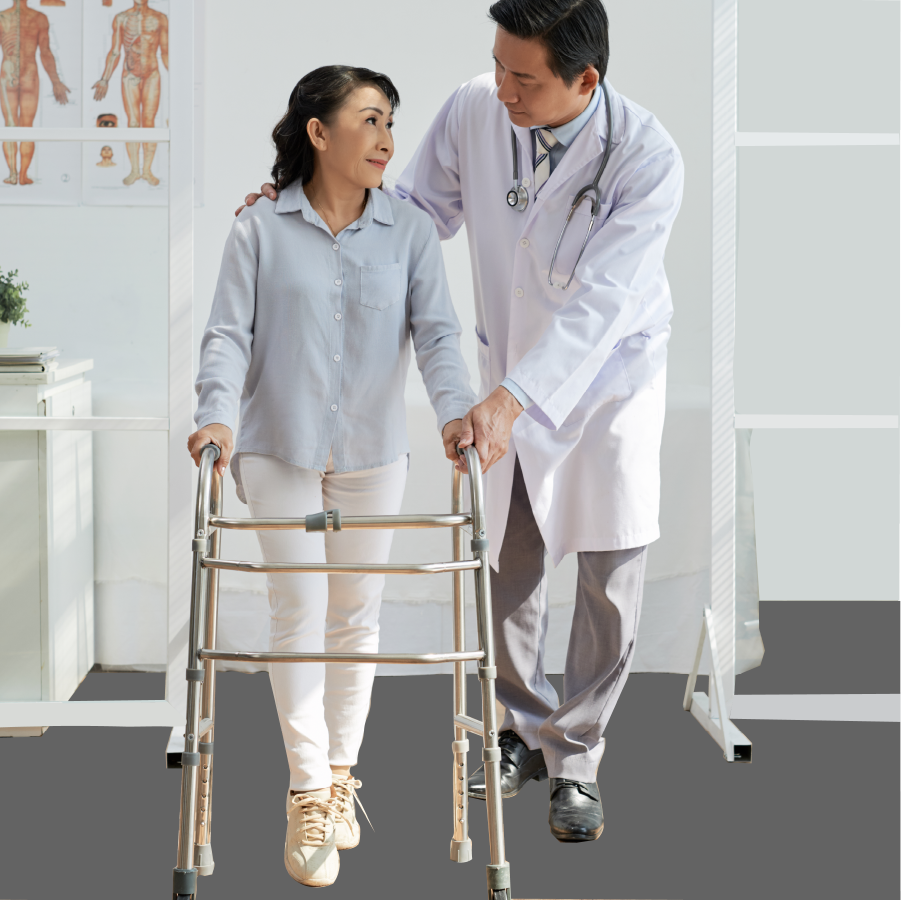
Neurological conditions can affect movement, balance, coordination, strength, and daily function.
At LifeCare MyRehab our team provides individualized rehabilitation programs designed to maximize recovery, improve mobility, and enhance independence.
- Stroke
- Parkinson’s Disease
- Bell’s Palsy
- Peripheral Nerve Injuries
- Neuropathy
Symptoms:
Muscle weakness, balance and coordination difficulties, walking impairments, reduced mobility, muscle stiffness or spasticity, numbness or altered sensation, & difficulty performing daily activities.
How Physiotherapy Can Help
Our rehabilitation programs focus on:
- Improving strength and mobility
- Enhancing balance and coordination
- Gait and walking retraining
- Functional movement training
- Fall prevention strategies
- Promoting independence in daily activities
Musculoskeletal conditions are any fractures, damage, or discomfort in the muscles, joints, nerves, ligaments, tendons, or skeletal elements from the back and neck to the arms, hands, and feet. Among the causes of musculoskeletal conditions include repetitive or forceful movements, degeneration, incorrect posture upon handling heavy objects, or direct injury or trauma.
Some common musculoskeletal conditions are:
- Arthritis
- Tendonitis
- Fractures
- Carpal Tunnel Syndrome
- Frozen Shoulder
- Tennis/Golfer’s Elbow
Symptoms of musculoskeletal conditions include:
- Joint stiffness and difficulty in moving the affected area
- Pain with movement
- Muscle spasm
- Fatigue
The role of a physiotherapist in musculoskeletal conditions is targeted at reducing pain and swelling, improving soft tissue healing, restoring normal function, and enhancing strength and flexibility so that patients can move pain-free and without restriction. Patient education and injury prevention are also essential to reduce the risk of injury. The treatment plan would vary depending on the type of condition and the soft tissue structures involved. Some treatment methods include manipulation, massage, strengthening and stretching exercises, kinesiotaping and electrical modalities.
The success of your surgery doesn’t end when you exit the operating theatre. Following surgery, physiotherapy should start right away in the hospital. However, it’s crucial to continue physiotherapy once you’ve been released to ensure the best recovery.
Orthopaedic, cardiac, thoracic, neurological, and abdominal surgeries are just a few of the surgical procedures for which post-operative rehabilitation may be required. Physiotherapy can help with a number of postoperative side effects that are common to all types of surgery. Physiotherapy helps to regain strength, mobility and function back to the optimal level.
Common surgeries requiring post-operative care:
- Shoulder Reconstruction
- Rotator Cuff Repair
- Post-fracture
- Carpal Tunnel Release
- Tendon Repairs
- Hip or Knee Replacement
- Hip Arthroscopy
- Knee Replacement
- Ligament and Meniscal Repairs
- Achilles Tendon Repairs
- Laminectomy
- Spinal Fusion/Stabilization
Physiotherapy will help you to return to normal daily activities with pain management, mobilisation exercises to improve circulation and range of motion, simple exercises to strengthen weak muscles, assist in removing any secretions and improve lung capacity, as well as give advice on positioning and wound care. Overall, post-surgical physiotherapy is beneficial in reducing the side effects of surgery and reducing the risk of developing blood clots, and a quick return to normal daily activities.
- Tendon Injuries
Repetitive loading and overuse may lead to tendon irritation or degeneration.
Common Examples:
- Achilles tendinopathy
- Jumper’s Knee
- Rotator cuff tendinopathy
- Tennis elbow
- Golfer’s elbow
Symptoms:
- Localized pain during activity
- Morning stiffness
- Reduced performance
- Pain that worsens with repetitive movement.
- Shoulder Injuries
Frequently seen in overhead sports such as badminton, tennis, swimming, volleyball, and basketball.Common Examples:
- Rotator cuff tears
- Shoulder impingement
- SLAP lesions
- Shoulder instability
Symptoms:
- Pain during lifting or throwing
- Weakness
- Reduced range of motion
- Clicking or catching sensations
How We Can Help
At LifeCare Myrehab, rehabilitation programs are tailored to the individual’s injury, sport, and recovery goals. Our physiotherapy approach includes:
- Comprehensive Assessment
- Pain & Inflammation Management
- Evidence –based techniques including:
- Manual therapy
- Soft tissue treatment
- Therapeutic modalities
- Movement modification Mobility & Flexibility Restoration
- Targeted stretching and mobility exercises to restore normal movement pms.
We believe rehabilitation goes beyond pain relief. Whether you’re a competitive athlete, weekend warrior, or fitness enthusiast, our team is committed to supporting your journey from injury to peak performance.
MCL Injury Rehabilitation
What is an MCL Injury?
The Medial Collateral Ligament (MCL) is a strong band of tissue located on the inner side of the knee. Its main role is to provide stability and prevent the knee from bending excessively inward.
Common Symptoms
- Pain along the inner side of the knee
- Swelling around the knee joint
- Tenderness over the MCL region
- Difficulty walking or climbing stairs
- Knee stiffness
- Feeling instability or weakness when standing or changing direction
- Pain during twisting or pivoting movements.
How Physiotherapy Can Help?
At LifeCare MyRehab ,our teams provide comprehensive rehabilitation programs tailored to the severity of the injury and individual goals.
Our treatment focuses on:
- Reducing pain and inflammation
- Restoring knee mobility and flexibility
- Improving muscle strength around the knee and hip
- Enhancing balance,coordination, and joint stability
- Correcting movement patterns and biomechanics
Sports injuries can affect anyone, from professional athletes and recreational sports enthusiasts to individuals maintaining an active lifestyle. Whether the injury occurs during competition, training, or exercise, proper rehabilitation is essential to ensure a safe recovery and prevent future recurrence.
At LifeCare MyRehab, our team specialise in the assessment, treatment, and rehabilitation of sports-related injuries. We focus not only on relieving pain but also on restoring strength, mobility,stability,and confidence to help you return to your sport safely and efficiently.
Common Sports Injuries We Treat (can break into 4 points- muscle, ligament, tendon, shoulder)
- Muscle Strains
Muscle strains occur when muscle fibers are overstretched or torn due to sudden acceleration, sprinting, jumping, or excessive loading.
Common examples:- Hamstring Strain
- Calf Strain
- Quadriceps Strain
- Groin Strain & Hip Flexor Strain.
Symptoms:
- Sudden pain during activity,
- Muscle tightness,
- Swelling or bruising,
- Reduced strength and flexibility.
- Ligament Injuries
Ligaments provide stability to joints and may be injured through twisting, pivoting, landing awkwardly, or direct impact.
Other common examples:
- ACL Injury (A hide/unhide description to ACL Injury Rehabilitation)
ACL Injury Rehabilitation
What is an ACL Injury?
The Anterior Cruciate Ligament (ACL) is one of the major ligaments in the knee that helps keep the joint stable during movement. It plays an important role in activities that involve running, jumping, pivoting, and sudden changes in direction.An ACL injury commonly occurs during sports such as football, basketball, badminton, futsal, and netball. The ligament may be stretched, partially torn, or completely torn following sudden twist, awkward landing, or direct impact to the knee.
Symptoms of an ACL Injury
- A popping sensation at the time of injury
- Knee pain and swelling
- Feeling of instability or the knee “giving way”
- Difficulty walking or changing direction
- Reduced confidence during sports activities
- Weakness and reduced knee control
How Can Physiotherapy Help?
Whether you are managing an ACL injury conservatively or recovering after ACL reconstruction surgery, physiotherapy plays a crucial role in your recovery.At LifeCare MyRehab our rehabilitation program focuses on:
- Reducing pain and swelling
- Restoring knee movement and flexibility
- Rebuilding strength in the quadriceps, hamstrings, and gluteal muscles
- Improving balance, coordination, and knee stability
- Correcting movement patterns to reduce reinjury risk
- Guiding a safe and structured return to sports
Our Rehabilitation Approach
Every ACL is unique. Our teams perform a comprehensive assessment and design an individual rehabilitation program tailored to your condition, lifestyle, and sporting goals.
Through evidence-based rehabilitation, we help patients regain confidence, restore function, and safely return to the activities they enjoy.
- ACL Injury (A hide/unhide description to ACL Injury Rehabilitation)
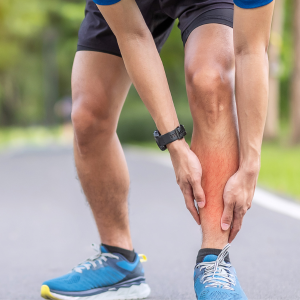
Exercise is healthy for you, but playing sports or working out can occasionally lead to injuries. Accidents may be brought on by poor training methods or faulty equipment, or both. Injuries might also result from reasons such as inadequate stretching, warming up, or overtraining.
The most common sports injuries are:
- Sprains and strains
- Knee injuries
- Swollen muscles
- Achilles tendon injuries
- Pain along the shin bone
- Rotator cuff injuries
- Fractures (broken bones)
- Dislocations
Symptoms of an acute injury include:
- Sudden, severe pain
- Swelling or bruising
- Unable to move a limb or bear weight
The role of a physiotherapist in sports injuries includes rehabilitation, promoting safe training techniques, injury prevention, restoring optimal strength and function, and enhancing sports performance, ensuring a safe return to sports. The treatment plan would vary depending on the types of sport played, the types and severity of the injury, and the performance level of the athlete/player. Some treatment methods include massage, manipulation, exercise prescription, kinesiotaping and electrical modalities.
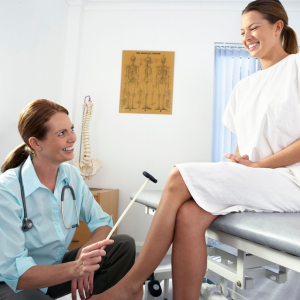
The World Health Organisation (WHO) defines neurological disorders as any disease that affect the entire nervous system, including the central and peripheral nervous systems. The brain, spinal cord, cranial nerves, peripheral nerves, nerve roots, autonomic nervous system, neuromuscular junction, and muscles will all be affected by these diseases. Common causes for neurological disorders include infections, degeneration, genetic factors, direct trauma or accident.
Neurological disorders are categorized by the part of the nervous system affected, namely the central nervous system (CNS) and the peripheral nervous system (PNS). CNS includes the brain and the spinal cord, whereas the PNS includes all of the nerves that branch out from the brain and spinal cord and extend to other parts of the body, including muscles and organs.
Common central nerve disorders include Stroke, Parkinson’s Disease, Multiple Sclerosis and Alzheimer’s Disease.
Common peripheral disorders include Carpal Tunnel Syndrome, Bell’s Palsy, Diabetic Neuropathy and Guillain-Barre Syndrome.
Although the indications and symptoms of each disorder may vary, the following are some typical signs and symptoms of neurological disorders:
- Tremors
- Loss of motor control
- Persistent or sudden headache
- Loss of coordination
- Muscle rigidity or flaccidity
- Slurred speech
Patients with neurological disorders usually suffer from loss of movement and function, loss of coordination and poor balance, which can impact their daily living and quality of life. Physiotherapy is helped to restore mobility and function, and also in preventing muscle loss and joint stiffness. Early intervention is crucial. Physiotherapy helps with rehabilitation and regaining strength through various treatment methods such as muscle stimulation, positioning, gait training, balance and coordination training, and strength and stretching exercises.
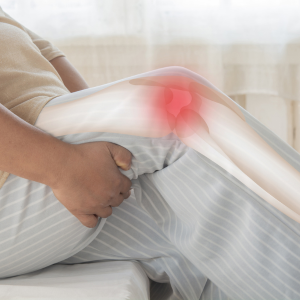
Musculoskeletal conditions are any fractures, damage, or discomfort in the muscles, joints, nerves, ligaments, tendons, or skeletal elements from the back and neck to the arms, hands, and feet. Among the causes of musculoskeletal conditions include repetitive or forceful movements, degeneration, incorrect posture upon handling heavy objects, or direct injury or trauma.
Some common musculoskeletal conditions are:
- Arthritis
- Tendonitis
- Fractures
- Carpal Tunnel Syndrome
- Frozen Shoulder
- Tennis/Golfer’s Elbow
Symptoms of musculoskeletal conditions include:
- Joint stiffness and difficulty in moving the affected area
- Pain with movement
- Muscle spasm
- Fatigue
The role of a physiotherapist in musculoskeletal conditions is targeted at reducing pain and swelling, improving soft tissue healing, restoring normal function, and enhancing strength and flexibility so that patients can move pain-free and without restriction. Patient education and injury prevention are also essential to reduce the risk of injury. The treatment plan would vary depending on the type of condition and the soft tissue structures involved. Some treatment methods include manipulation, massage, strengthening and stretching exercises, kinesiotaping and electrical modalities.
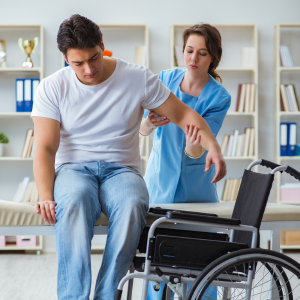
The success of your surgery doesn’t end when you exit the operating theatre. Following surgery, physiotherapy should start right away in the hospital. However, it’s crucial to continue physiotherapy once you’ve been released to ensure the best recovery.
Orthopaedic, cardiac, thoracic, neurological, and abdominal surgeries are just a few of the surgical procedures for which post-operative rehabilitation may be required. Physiotherapy can help with a number of postoperative side effects that are common to all types of surgery. Physiotherapy helps to regain strength, mobility and function back to the optimal level.
Common surgeries requiring post-operative care:
- Shoulder Reconstruction
- Rotator Cuff Repair
- Post-fracture
- Carpal Tunnel Release
- Tendon Repairs
- Hip or Knee Replacement
- Hip Arthroscopy
- Knee Replacement
- Ligament and Meniscal Repairs
- Achilles Tendon Repairs
- Laminectomy
- Spinal Fusion/Stabilization
Physiotherapy will help you to return to normal daily activities with pain management, mobilisation exercises to improve circulation and range of motion, simple exercises to strengthen weak muscles, assist in removing any secretions and improve lung capacity, as well as give advice on positioning and wound care. Overall, post-surgical physiotherapy is beneficial in reducing the side effects of surgery and reducing the risk of developing blood clots, and a quick return to normal daily activities.
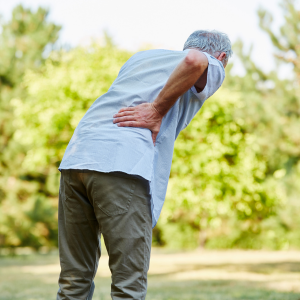
The process of ageing is inevitable. Muscle, bone, and joint changes were once believed to be inevitable as well. Researchers now contend that inactivity is a major contributor to many age-related conditions and that engaging in physical exercise can assist to lower or even eliminate the risk of chronic illness and impairment.
As you age, your muscles become smaller and weaker, which can lead to tiredness, weakness, and decreased exercise tolerance. Other than that, your bones also become more brittle and fragile. This is brought on by a number of interrelated variables, such as:
- Loss of muscle mass
- Longer healing time
- Decrease in muscle tone and contractility
- Bone loses calcium and other minerals
Physiotherapists play a crucial role in restoring function and independence among the geriatric population. Older adults often develop musculoskeletal, cardiovascular, and neurological diseases, and these conditions sometimes overlap. The goal of geriatric rehabilitation (GR) is to improve the quality of life for older adults, particularly those with debilitating disabilities and/or frailty. Today’s rehabilitation techniques emphasise function and well-being in addition to diseases. Rehabilitation for older people helps them maintain their functional independence and raises their standard of living. The physiotherapy treatment approach would depend on the impairment, such as balance problems or muscle weakness.

Joint pain, or arthralgia, is pain or inflammation within the joint itself. Any part of the joint can cause the joint pain, such as the cartilage, bone, or ligaments, tendons and muscles around the joint. also sometimes be any portion of a joint, including cartilage,
Any portion of a joint, including cartilage, bone, ligaments, tendons, or muscles, can cause joint pain, which can manifest as discomfort, pain, or inflammation. However, the most typical definition of joint pain is arthritis or arthralgia, which is pain or inflammation within the joint itself. Joint pain can range from mild, which only causes soreness after specific activities, to severe, which makes even little movement, especially bearing weight, exceedingly painful.
The role of physiotherapy in joint pain includes helping to limit pain during movement and physical activity, avoiding secondary injury and falls, and to restore function and mobility. The physiotherapist will check the strength of your muscles and the flexibility of your joints. This will enable the physiotherapist to create a suitable treatment plan for your recovery. The physiotherapist will most likely suggest a combination of strengthening exercises to improve muscle strength, stretching exercises to help with flexibility and other exercises such as coordination and balance training.